
GENERATORS
Is a Whole-Home Generator Worth It in Michigan?
QUICK ANSWER
Michigan winters are unpredictable. A storm can roll off Lake Michigan and knock power out for 20 minutes or four days. Most outages you wait out. But if losing power means losing water, risking your basement, or missing work, a standby generator might be worth a closer look. Here's how to think through it.

Not every outage feels the same.
For most people, a few hours without power is annoying. You find some candles, your phone battery gets low, and by morning everything is back to normal.
But a day or two changes things. And the homes that feel it hardest usually have something in common. They depend on electricity in ways that aren't obvious until the power is actually out.
A generator may be worth it if…
-
Well Water
No electricity means no water. Not just for drinking, but for flushing, showering, and cooking. This is one of the most common reasons Michigan homeowners outside city limits start looking at generators seriously.
-
Sump Pump
The storms most likely to knock your power out are also the ones most likely to push water toward your foundation. A sump pump that can't run can't protect your basement.
-
Remote Work
A few hours offline used to be an inconvenience. If you're working remotely full time, it means missed meetings and lost work. That adds up fast.
-
Medical Equipment
CPAP machines, oxygen concentrators, refrigerated medications. If anyone in your home depends on powered medical equipment, consistent power isn't optional.
What a Whole-Home Generator Does
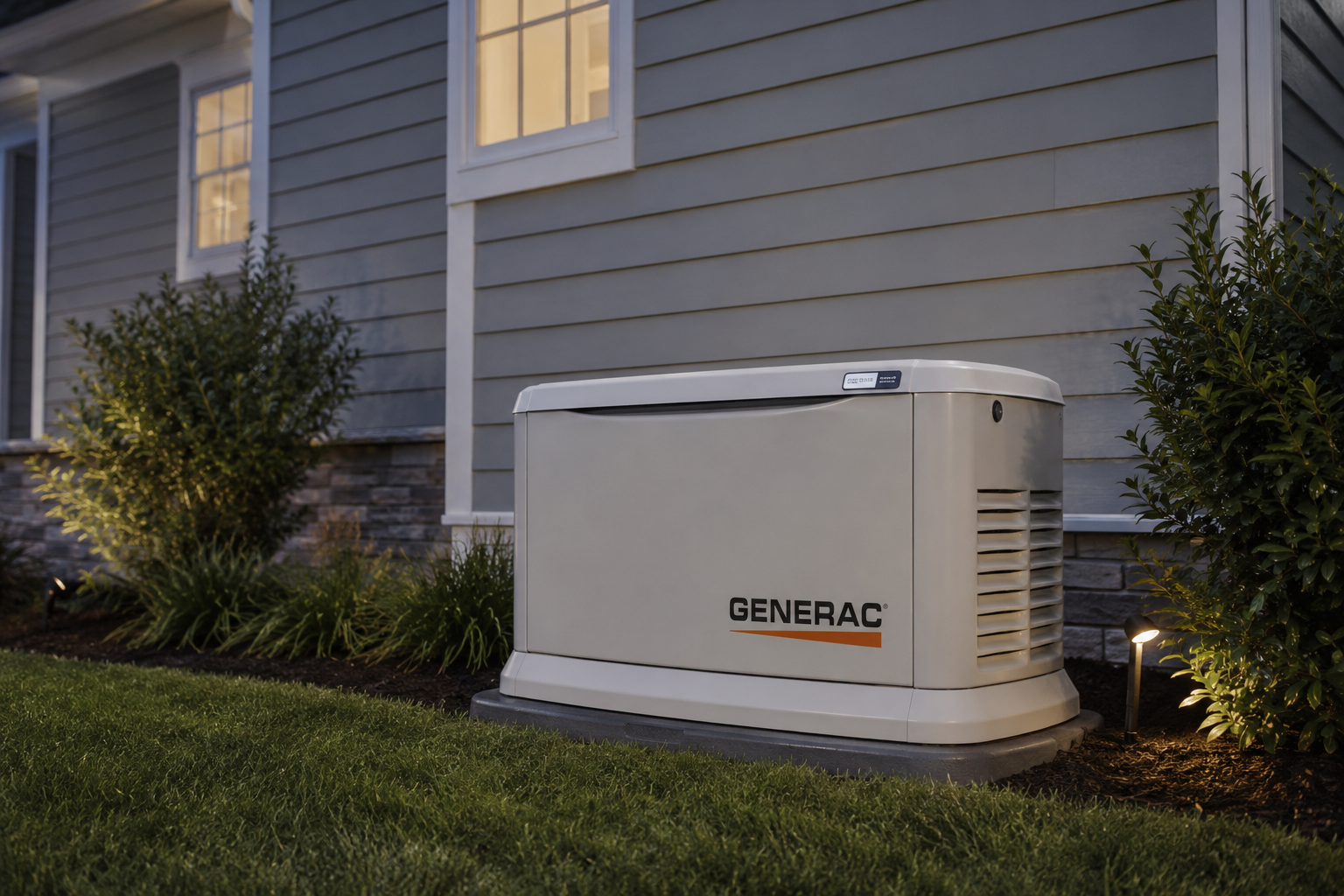
A whole-home generator installs outside your house, permanently connected to your electrical system and a gas or propane line. When power goes out, it starts on its own, usually within 30 seconds. You don't flip a switch or drag anything out of the garage. Most people sleep right through it.
Depending on the system, it can power your whole home or just the circuits that matter most. An electrician will help you figure out what makes sense based on your setup.
A generator may not be necessary if…
Power outages are uncommon where you live
You are comfortable waiting for power to return
You only need minimal backup power
A portable generator would meet your needs
Questions to Ask Yourself
How often does my home lose power?
What would happen if the outage lasted 12 to 24 hours?
Do I rely on a well or a sump pump?
Do I work from home?
What systems would I want to keep running?
Our Take
We install a lot of generators. We've also talked homeowners out of them.
If a multi-day outage would affect your water, your basement, or your ability to work, it's usually worth it. If you'd mostly just be without TV and have to eat the food in your fridge, a portable unit might be all you need.
If you're on the fence, a consultation is a good place to start. We'll look at your home and give you a straight answer.
Frequently Asked Questions
-
It can, but it depends on the generator and what you want it to power.
Some homeowners choose a system that powers the entire home, while others focus on the essentials like the furnace, refrigerator, well pump, and sump pump. The right setup depends on your home's electrical needs and your priorities during an outage.
-
Longer than most people expect.
If your generator runs on natural gas, it can typically keep running as long as natural gas service is available. Propane generators can run for days as well, depending on the size of the tank and how much power your home is using.
-
Yes. That's one of the biggest benefits of a standby generator.
When the power goes out, the generator detects the outage and starts automatically. You don't have to go outside, pull cords, or connect extension cords. Once utility power is restored, the generator switches off and your home returns to normal power.
-
Either can work well.
Many homeowners choose natural gas because it's a continuous fuel source and there's no tank to refill. Propane is often a great option for homes where natural gas isn't available. The best choice depends on your property and what utilities are already in place.
-
The honest answer? Most homeowners are surprised by how much goes into sizing a generator.
Things like your furnace, air conditioner, well pump, appliances, and overall electrical usage all play a role. That's why we recommend having a load calculation done before choosing a generator. It helps ensure you're getting a system that's sized for your home and not paying for more generator than you need.
-
That depends on how an outage affects your home.
If you rely on a well, have a sump pump, work from home, or simply want peace of mind during Michigan storms, a standby generator can be a worthwhile investment. For homeowners who rarely lose power, the decision may be different.
The best approach is to think about what would happen if your power was out for a full day and whether backup power would make a meaningful difference for your family.
Considering a Whole-Home Generator?
JG Services can help you decide whether backup power makes sense for your home.